

Hey there! If you’ve ever shopped around for generators for your home, small business, or industrial site, you’ve probably noticed that suppliers don’t just carry one single type of generator—they have a whole lineup to fit every need, budget, and situation. As someone who’s been in the generator supplier game for years, I’ve helped tons of customers sort through their options, and most folks are surprised by how many specialized types are out there. Let me break down the main ones most suppliers stock, plus what makes each useful, so you don’t end up wasting money on something that’s overkill or not enough for your needs.
First off, let’s talk about the big workhorse that’s probably the most common pick for backup and power needs: diesel generators. You’ll see these everywhere from hospitals to construction sites to suburban homes, and for good reason—diesel is super fuel-efficient, has a long lifespan, and holds up way better than gas generators in heavy use or extreme conditions. At my shop, we carry a full range of diesel models because they’re reliable, which is what most customers care about. Now, even within diesel generators, there are sub-types that are tailored for different jobs.
For example, one of the top sellers we keep in stock is the Diesel Back Up Generator. This is exactly what it sounds like—its whole job is to kick on automatically when the power goes out. No one wants to be scrambling to start a generator in the middle of a storm when their sump pump, fridge, or medical equipment is relying on power. These back-up units connect straight to your building’s electrical panel, and they use a transfer switch to detect outages in seconds. We’ve had customers tell us these are lifesavers during blizzards when power is out for days—their heaters don’t turn off, and their kids don’t go without heat. If you’re looking for a reliable backup for your home or small office, this is usually the first thing I point people to, and you can check out our specific Diesel Back Up Generator details here.
Next, size matters a ton with generators, right? If you only need to power a few essentials—like a fridge, a couple of lights, and a window AC unit—you don’t need a huge industrial unit. That’s where models like the 7kW Diesel Generator come in. 7kW is the sweet spot for small homes, tiny shops, or even camping setups where you need more than a portable gas unit can handle, but not enough to power a whole factory. It’s compact enough to fit in a small garage or construction trailer, and since it’s diesel, you won’t have to refuel it every few hours like you would a gas portable. We get a lot of first-time buyers asking about this one because it’s affordable but still way more reliable than the cheap gas ones you see at big box stores. If you want to see specs and pricing for the 7kW Diesel Generator, that’s linked here.
Wait, but what if you need power that’s not just for emergencies? Like, say you run a small café that needs to stay open during power outages, or a construction site that’s working away from the grid for days at a time. That’s where Prime Power Diesel Generators come in. Unlike backup generators that only run when the grid fails, prime power units are designed to be the primary source of electricity. They’re built for continuous, long-term use—think 24/7 operation for weeks on end. Construction sites, remote farms, or even event venues that need power for a whole festival use these. They’re a bit bigger and more powerful than backup units, but they’re built to handle non-stop load without overheating. We’ve had regulars rent these for big projects, and they swear by them because you don’t have to worry about the unit dying mid-task. You can learn more about our Prime Power Diesel Generator lineup right here.
Oh, and sometimes people mix up kW and kVA, so let’s clear that up quick. Kilovolt-amps (kVA) is a measure of apparent power, while kilowatts (kW) is real power. For most residential and small commercial use, they’re pretty close, but for equipment that needs a lot of starting power (like compressors or motors), kVA is more accurate. That’s why we stock the 7kVA Diesel Generator—it’s similar to the 7kW one but calibrated for heavier loads that need extra starting power. A lot of our small business customers with machinery prefer this model because it doesn’t drop power when they turn on a piece of equipment that needs a big initial burst. If you’re running something that has high startup demand, this is the one to check out, and you can see our 7kVA Diesel Generator details here.
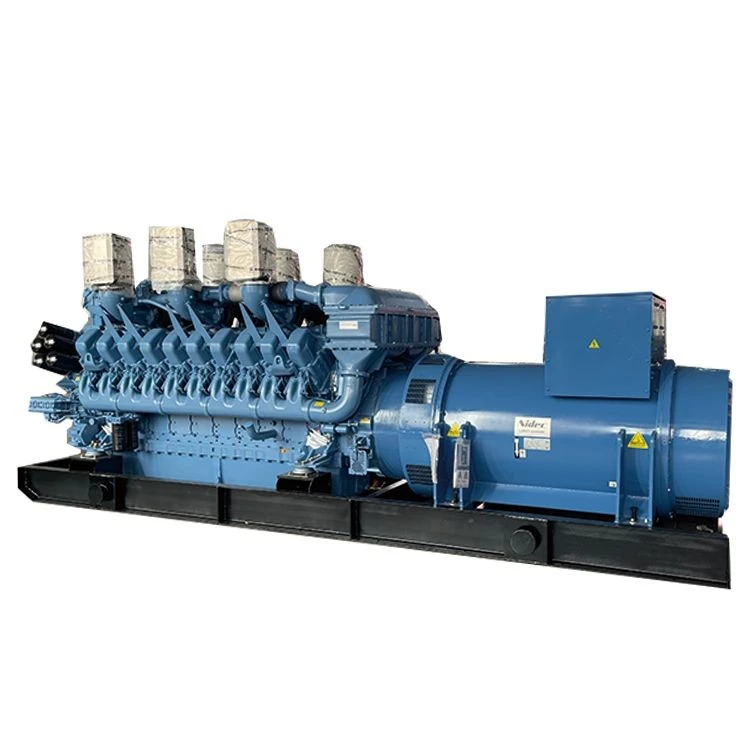
Another key type most suppliers carry is the Standby Diesel Generator Set. Wait, is that the same as a back-up generator? Kind of, but it’s a step up for larger properties or businesses. Standby sets are usually bigger, have higher power output, and are built for larger spaces—like a 10,000 sq ft warehouse, a school, or a multi-unit apartment building. They’re fully automatic, just like smaller back-up units, but they can power way more things at once. We installed a 50kVA standby set for a local grocery store last year, and when the grid went out during a heatwave, it kicked on in 10 seconds, keeping the freezers running so they didn’t lose thousands of dollars in inventory. The key difference between a small back-up generator and a standby set is scale—standby is for when you need to power an entire facility, not just a few circuits. Our Standby Diesel Generator Set options are here if you want to see the range of sizes we have for bigger jobs.
Now, it’s not all diesel, right? Wait, but the question was about what most suppliers carry, and diesel is by far the most common because of its reliability and low long-term cost. But I should mention that a lot of suppliers also carry gas, propane, and even solar generators, but diesel makes up like 60-70% of the units most suppliers keep in stock—especially for commercial and industrial use. Gas generators are cheaper upfront but require more frequent refueling and have shorter lifespans, so they’re more popular for portable, temporary use. Propane is cleaner, but fuel is less accessible in remote areas. Solar is great for small, off-grid spots but doesn’t work well during extended cloudy periods. So diesel is the workhorse that most suppliers lean on, which is why we’ve built our whole inventory around it.
Let me talk a bit about what goes into choosing the right one, just to help you out. The first thing to figure out is: what do you need power for? Is it emergency backup for your home, primary power for a remote job, or something in between? Next, calculate your total power needs—add up the wattage (or kW/kVA) of all the things you need to run at once, then add 20-30% extra for startup power, because things like fridges and tools use more power when they turn on. That’s where a lot of people mess up—they get a unit that’s just the exact wattage they need, and when they turn on two things at once, it overloads.
Another thing to consider is maintenance. Diesel generators are lower maintenance than gas ones—you just change the oil and filter every 100-200 hours, and they can sit idle for years without problems, which is perfect for backup units. I’ve had customers who bought a back-up generator 10 years ago and only used it twice, and it still ran perfectly when we checked it last year. Gas generators, on the other hand, can have carburetor issues if they sit for a long time, so you have to run them regularly or add stabilizer to the gas.
If you’re still unsure which type is right for you, don’t be afraid to reach out. A lot of suppliers, myself included, will ask you a few simple questions to point you in the right direction: how big is your space, what do you need to power, how often will you use it (emergency vs. daily), and how much power do you need. We’ve had customers come in thinking they need a big industrial unit, but they actually only need a small 7kW diesel generator for their home, and that saves them a ton of money.
Wait, let’s make sure I didn’t miss any key types. Most suppliers also carry portable diesel generators, but those are usually for temporary use, like construction sites or outdoor events. But the core types that are in every supplier’s catalog are the backup, prime power, standby, and the size-specific ones like 7kW and 7kVA models I mentioned earlier. Some also carry natural gas generators for areas where natural gas lines are easily accessible, but diesel is still the go-to for reliability.
A quick pro tip: if you’re buying a generator for emergency backup, make sure it’s transfer switch compatible. That means you can connect it straight to your building’s electrical panel without using extension cords, which is way safer than running cords through windows or doors. All the diesel models we sell have that feature, which is non-negotiable for me—extension cords are a fire hazard, and you don’t want to deal with that during an outage.
Another thing I see a lot: customers don’t realize that generators need proper ventilation. If you’re putting one indoors, you need a dedicated space with exhaust vents, because diesel fumes are toxic. All our standby and back-up units come with installation guides that outline that, so you don’t have to guess. For portable units, you have to put them outside, at least 5 feet away from any doors or windows, to keep fumes out of your home.
At the end of the day, the type of generator a supplier carries depends a bit on their customer base—if they’re in a rural area with a lot of construction, they’ll have more prime power units. If they’re in a suburban area with lots of homeowners, they’ll have more backup generators and smaller models like the 7kW and 7kVA units. But across the board, diesel is the most common, because it’s versatile, reliable, and has lower operating costs over time than other fuel types.
If you’re looking to buy one and don’t know where to start, the best move is to figure out your power needs first, then reach out to a supplier that can walk you through the options. We’ve helped hundreds of customers find the right generator, not just the most expensive or the biggest one. Whether you need a small diesel back-up generator for your home, a prime power unit for a construction site, or a specific size like the 7kW Diesel Generator, we’ve got you covered. If you want to check out any of our models, just follow the links we’ve got, or reach out to us to chat through what you need. We’re here to help, no pressure, just straight answers.
Don’t wait until the next storm or project to get a generator—having the right one when you need it makes all the difference. No one wants to be stuck without power when it matters most, and with the right type from a reputable supplier, you’ll have peace of mind knowing you’re covered.

References:
- Industrial Diesel Generator Set Product Guide, AB Industrial Equipment, 2024.
- "Choosing the Right Generator Type for Your Needs," Power Equipment Association, 2023.
- Diesel Generator Maintenance Best Practices, Industrial Power Journal, 2024.
- kW vs kVA: What’s the Difference for Generator Sizing, Electrical Engineering Today, 2023.
- Standby Generator Installation and Safety Guidelines, National Fire Protection Association, 2022.