

Hey there, if you’re in the market for a diesel generator—whether it’s for keeping your home running during a storm, powering your small business, or keeping a worksite from going dark—you’ve probably wondered a few things. One of the most common questions I get from customers is: “Do diesel generator suppliers actually help with installation?” As someone who’s been in this game for years (I’ve seen a lot of folks skip installation steps and end up with headaches later), I’m here to break this down, tell you what my company offers, and help you avoid the mistakes I’ve seen too many people make.
First off, let’s get one thing straight: not all diesel generator suppliers are the same. Some just drop a box at your door, hand you a manual, and call it a day. Others, like us, know that a generator is only as good as its installation. I’ve had customers come to me saying they tried installing a unit themselves, and it wouldn’t start when they needed it most—turns out they hooked up the fuel line wrong, or didn’t ground it properly, and now they’re stuck replacing parts or worse, dealing with a safety hazard. That’s why I always emphasize that installation isn’t just a “nice extra” when you’re buying a generator—it’s a critical part of the whole process.
Let me start with what you might actually need, depending on the size of the generator you’re looking at. I’ve sold everything from tiny 1.5kW units that power a few essential outlets in a tiny home, all the way up to 200kW sets that keep a whole office building or large warehouse going. And for each of these, installation looks a little different. For example, a small [Generator 1.5kW] might seem simple enough, but even that needs to be placed far enough from your house to prevent carbon monoxide buildup (seriously, I can’t stress that enough—CO is silent and deadly). If you skip that, you could be putting your family at risk. For something a bit bigger, like a [10kw Diesel Generator Set], which is perfect for a medium-sized home with a well, fridge, HVAC, and a few lights, you don’t just need to set it on a pad—you need to connect it to your home’s electrical panel, which requires basic electrical knowledge. Mess that up, and you could fry your appliances when the power goes out.
Then there’s the stuff that people rarely think about: permits. Most areas require a building permit for a generator installation, right? And if you’re not familiar with local codes—like how far the unit has to be from property lines, or what kind of exhaust system you need—you could get fined, or have to move the generator later anyway. When customers buy from us, we handle all the permit stuff for them. That’s one less thing they have to stress over, especially if they’re already dealing with a backup power emergency (like living in a place with frequent storm outages).
Now, I know some of you are asking, “Can’t I just hire a local electrician or handyman to install it, instead of going through the supplier?” Let’s be real—you can, but is that the best move? Here’s the thing: reputable diesel generator suppliers don’t just sell the unit—they know that unit inside and out. When we install our generators, our techs are trained specifically on the models we carry. That means they know the exact specs, the common pitfalls, and how to make sure your generator is running at peak efficiency. A random electrician might know how to wire things, but if they don’t know the ins and outs of diesel generators, they could miss something. I’ve had customers tell me they used a local guy who wired a generator wrong, and when the power went out, the generator backfed into the grid—something that can hurt line workers and cause major damage. That’s a disaster, and it’s completely avoidable.
What about the smaller, portable-style units vs. standby generators? Wait, actually, when we talk about suppliers, most of us categorize generators a certain way. The [12.5kVA Generator], for example, is a good middle ground between portable and permanent standby—it’s big enough to power a small business or a few key parts of a home, and it’s often permanently installed. Portable units are usually designed to be moved, but even those need proper set-up—like fuel storage, a transfer switch, and that CO distance. But here’s the catch: many portable units are sold without installation support, whereas standby units (which are built to stay outside your home or business) almost always come with installation packages. When you buy a [100 Kilowatt Generator] for a commercial space, you can’t just wheel that thing around—you need a solid concrete pad, proper fuel lines, and exhaust that’s vented safely away from employees. That’s not a job for someone who’s never done this before.
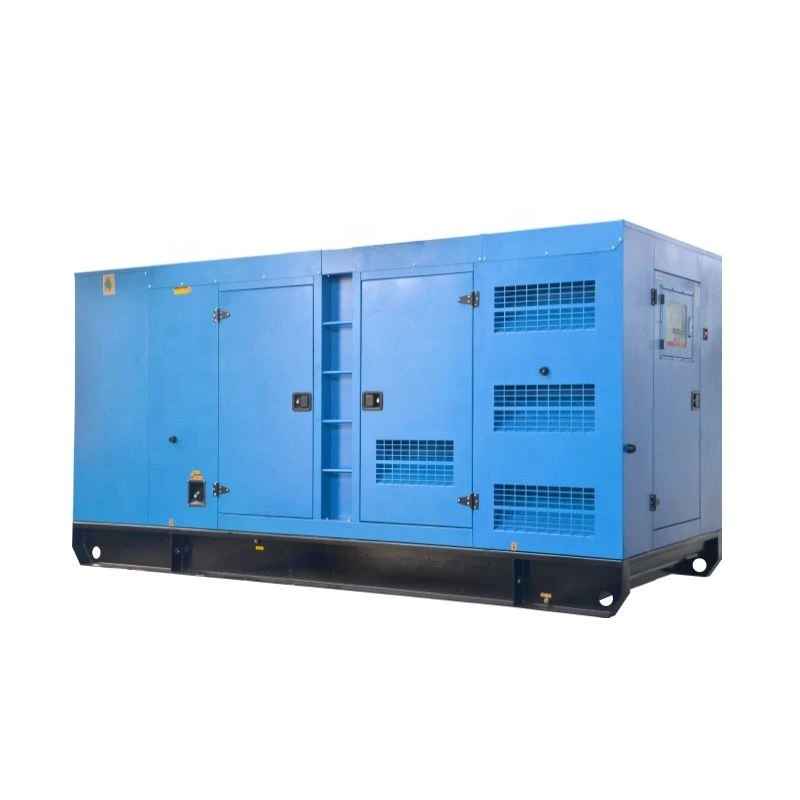
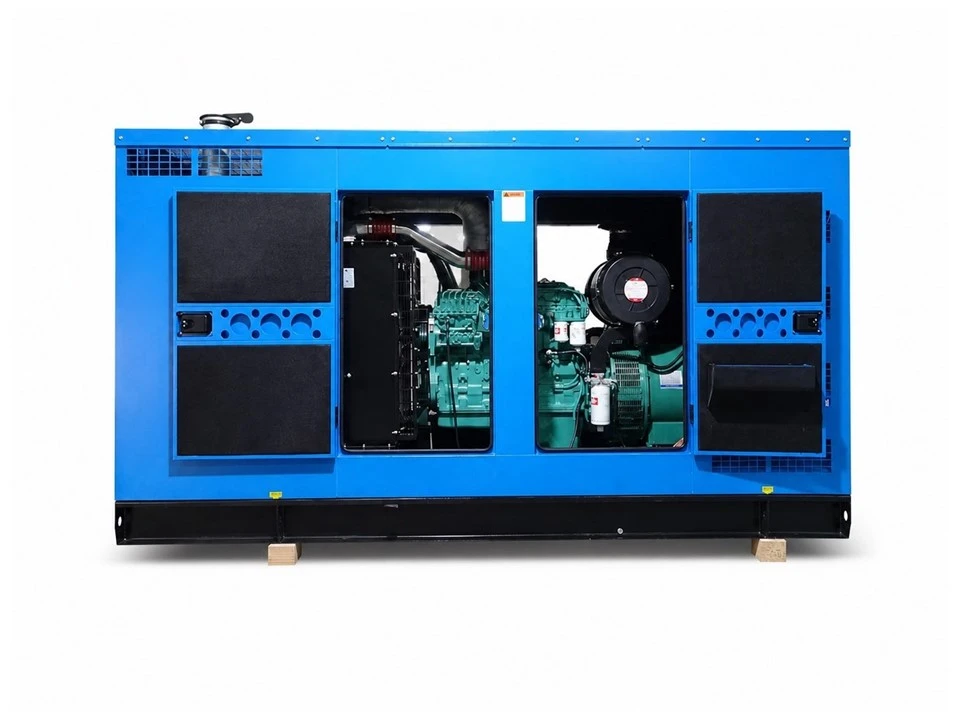
Let me also talk about warranties, because that’s a big one. If you buy a generator and install it yourself, or hire someone who’s not certified, you might void the warranty. I’ve seen this happen so many times—someone does a quick DIY install, then the generator breaks down a year later, and the manufacturer says, “Nope, warranty’s void because the installation wasn’t done by a pro.” When you go with a supplier that offers installation, they use certified techs, and that installation is usually covered under the warranty. So if something goes wrong with the unit because of a bad install (which is super rare, but it happens), you’re covered. That’s peace of mind you can’t get from a random handyman.
Now, I want to be honest—there are some suppliers that don’t offer installation services, and it’s up to you to figure that out when you’re shopping. When you’re comparing suppliers, ask them straight up: “Do you provide installation, and what’s included in that?” Some will just drop off the unit and give you a list of approved contractors they work with. Others, like us, do the installation in-house, so you’re dealing with the same team that sold you the generator, no miscommunication. We also do post-install checks—we run the generator for a few hours, make sure it’s working properly, show you how to test it, and even give you a quick tutorial on basic maintenance, like changing the oil or checking the fuel filter. That’s stuff that makes a huge difference when you need it in an emergency.
Wait, let’s talk about maintenance too, while we’re at it. A lot of people think once the generator is installed, they’re done. But diesel generators need regular upkeep—especially if they’re only used occasionally. When we install a generator for a customer, we offer maintenance plans too. For example, if you have a [200kw Diesel Generator Set] at a warehouse, you don’t want to wait until a power outage to find out the fuel filter is clogged. We can set up quarterly or annual check-ups to make sure everything’s running smoothly. That’s another benefit of going with a supplier that does installation—they’re with you long after the unit is set up.
I know some of you are on a tight budget, and installation might seem like an extra cost. Let me put this in perspective: the cost of a professional installation is way less than the cost of replacing a generator that was installed wrong, or fixing the damage from a backfeed or CO leak. Last year, I had a customer who tried to save $500 by installing his 10kW generator himself. A month later, during a storm, the generator caught a fire because the fuel line was connected incorrectly. He had to buy a new generator, pay for fire damage to his garage, and miss three days of work because his home was unlivable. That $500 he saved cost him thousands. So yeah, installation is an investment, not an expense.
So, to circle back to the original question: Do diesel generator suppliers provide installation services? The answer is: it depends on the supplier, but if you pick a reputable one, like us, absolutely. And it’s worth asking about when you’re shopping. Don’t be afraid to call or message a supplier and ask them detailed questions. Ask if they have in-house techs, if they handle permits, if they include testing and warranty coverage, and if they offer maintenance after the install.
If you’re ready to start looking, we have a range of generators to fit every need. From the tiny [Generator 1.5kW] for a weekend cabin to the heavy-duty [200kw Diesel Generator Set] for large commercial properties, we can help you find the right unit, and we’ll handle every step of the installation process so you don’t have to lift a finger (well, except to press the button when you need power).
If you have questions about installation, or want to chat about which generator is right for your needs, feel free to reach out to our team. We’re here to help make sure you have reliable power when you need it most, with no stress or guesswork.
References:
- National Fire Protection Association. (2022). NFPA 70: National Electrical Code. Quincy, MA: National Fire Protection Association.
- Occupational Safety and Health Administration. (2021). Carbon Monoxide Hazards from Portable Generators. Washington, DC: U.S. Department of Labor.
- International Code Council. (2023). International Residential Code. Country Club Hills, IL: International Code Council.
- Diesel Technology Forum. (2022). Best Practices for Diesel Generator Installation and Maintenance. Arlington, VA: Diesel Technology Forum.