

As a seasoned supplier of diesel gensets, I often encounter inquiries about the frequency of the power output of these essential machines. Understanding the frequency of a diesel genset's power output is crucial for ensuring its compatibility with the electrical systems it's intended to serve. In this blog post, I'll delve into the concept of power output frequency, its significance, and how it relates to our diesel gensets.
What is the Frequency of Power Output?
The frequency of an alternating current (AC) power output refers to the number of times the current changes direction per second. It is measured in hertz (Hz). In most parts of the world, the standard frequencies for electrical power systems are either 50 Hz or 60 Hz. These frequencies are carefully regulated to ensure the proper functioning of electrical appliances and equipment.
A 50 Hz power system alternates its current direction 50 times per second, while a 60 Hz system alternates 60 times per second. The choice between 50 Hz and 60 Hz is often a historical and regional decision, with different countries and regions adopting one standard over the other based on various factors such as early industry development and international cooperation.
Why is Frequency Important?
The frequency of the power output is of utmost importance because electrical devices are designed to operate at specific frequencies. Using a device at the wrong frequency can lead to several issues:
- Inefficient Operation: Electrical motors, for example, are designed to run at a certain speed determined by the frequency of the power supply. If the frequency is incorrect, the motor may run too fast or too slow, leading to inefficient operation and potentially causing damage over time.
- Overheating: Incorrect frequency can cause electrical components to overheat. This is because the magnetic fields and electrical currents within the components are affected by the frequency, and operating outside the designed frequency range can lead to excessive heat generation.
- Malfunction: Some electronic devices may malfunction or fail to operate altogether when supplied with power at the wrong frequency. This is particularly true for devices with sensitive electronic circuits that rely on the stability of the power supply frequency.
Frequency and Diesel Gensets
Our diesel gensets are engineered to produce power at either 50 Hz or 60 Hz, depending on the specific requirements of our customers. The frequency of the power output is determined by the speed of the diesel engine driving the generator.
In a diesel genset, the engine rotates at a constant speed, and this rotational speed is directly related to the frequency of the generated power. For a 50 Hz system, the engine typically runs at 1500 revolutions per minute (RPM) for a four-pole generator, while for a 60 Hz system, the engine runs at 1800 RPM. This relationship between engine speed and frequency is based on the fundamental principles of electrical generation.
We ensure that our diesel gensets are precisely calibrated to maintain a stable frequency output. This is achieved through advanced control systems that monitor and adjust the engine speed as needed to compensate for changes in load. Whether it's a small residential backup genset or a large industrial power plant, our gensets are designed to provide a reliable and consistent power supply at the specified frequency.
Applications of Different Frequency Gensets
The choice between a 50 Hz and 60 Hz diesel genset depends on the geographical location and the specific application.
- 50 Hz Gensets: These are commonly used in Europe, Asia, and Africa. They are suitable for a wide range of applications, including residential, commercial, and industrial use. For example, in many European countries, 50 Hz gensets are used to provide backup power for hospitals, factories, and office buildings. Our High Voltage Diesel Generator is available in 50 Hz configurations to meet the needs of these regions.
- 60 Hz Gensets: These are predominantly used in North America and some parts of South America. They are ideal for applications in these regions, such as powering data centers, mining operations, and large-scale construction projects. Our 6.6kv Diesel Genset and 11kv Diesel Generator are available in 60 Hz models to serve these high-power applications.
Specialized Applications: Mining Diesel Generators
In the mining industry, reliable power supply is critical. Mining operations often take place in remote locations where access to the main power grid is limited or non-existent. Our Mining Diesel Generator is specifically designed to meet the demanding requirements of the mining sector.
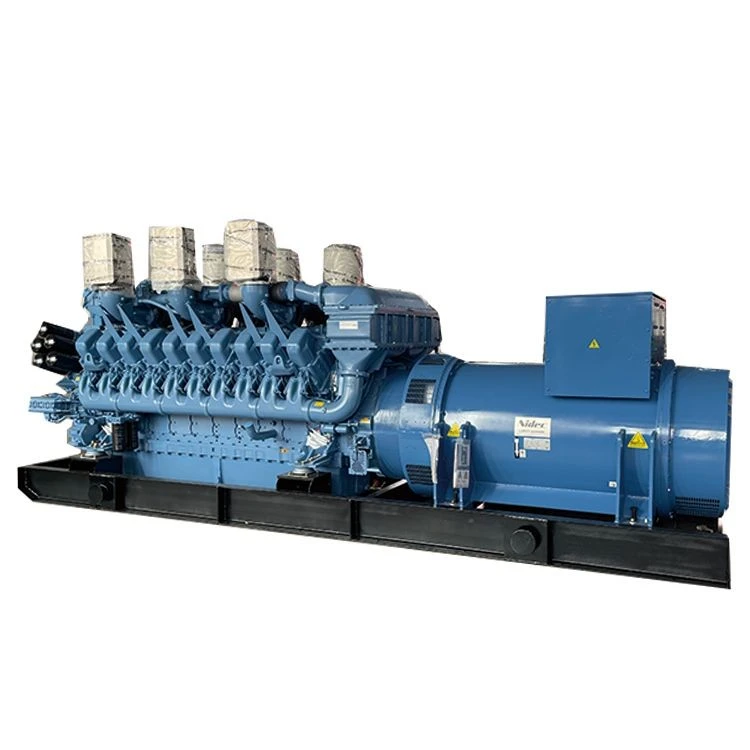
These gensets are built to withstand harsh environmental conditions, including dust, heat, and vibration. They are available in both 50 Hz and 60 Hz frequencies to suit the specific needs of mining operations around the world. Whether it's powering heavy machinery, lighting systems, or ventilation equipment, our mining diesel generators provide a stable and efficient power supply.

Ensuring Compatibility and Performance
When selecting a diesel genset, it's essential to consider the frequency requirements of your electrical system. Our team of experts is available to assist you in choosing the right genset for your specific application. We can provide detailed technical information and guidance to ensure that the genset you choose is compatible with your existing electrical infrastructure and meets your power needs.
In addition to frequency, we also take into account other factors such as power output, voltage, and fuel efficiency. Our gensets are designed to offer high performance, reliability, and durability, ensuring that you get the most out of your investment.
Contact Us for Your Diesel Genset Needs
If you're in the market for a diesel genset, we invite you to contact us to discuss your requirements. Our experienced sales team can provide you with a customized solution based on your specific needs and budget. Whether you need a small backup genset for your home or a large industrial generator for your business, we have the expertise and products to meet your needs.
Don't hesitate to reach out to us for more information or to request a quote. We look forward to working with you to provide a reliable and efficient power solution for your application.
References
- Electrical Engineering Handbook, Third Edition, edited by Richard C. Dorf
- Power Generation Technologies, Second Edition, by John Twidell and Tony Weir