

Hey there! As a supplier of Quiet Diesel Generators, I'm stoked to dive into the nitty - gritty of the cooling system of these amazing machines.
Let's start with the basics. A quiet diesel generator works by burning diesel fuel to produce mechanical energy, which is then converted into electrical energy. But all this action generates a whole lot of heat. And that's where the cooling system comes in. It's like the unsung hero of the generator, keeping everything at the right temperature so the generator can run smoothly and efficiently.
There are two main types of cooling systems for quiet diesel generators: air - cooled and water - cooled.
Air - Cooled Systems
Air - cooled systems are pretty straightforward. They use fans to blow air over the engine and other hot components. The air absorbs the heat and carries it away. It's a simple and cost - effective solution, especially for smaller generators.
One of the big advantages of air - cooled systems is their simplicity. There are fewer parts involved, which means less maintenance. You don't have to worry about coolant leaks or a complex radiator setup. It's also more portable since you don't have to carry around a big water tank.
However, air - cooled systems do have their limitations. They're not as efficient at cooling as water - cooled systems, especially in hot environments. The air can only absorb so much heat, and if the generator is working hard for a long time, it might overheat. Also, they can be a bit noisy because of the fans running at high speeds.
Water - Cooled Systems
Water - cooled systems, on the other hand, use a liquid coolant (usually a mixture of water and antifreeze) to absorb the heat from the engine. The coolant circulates through the engine block and other hot parts, picking up heat as it goes. Then it flows to the radiator, where the heat is transferred to the air.
Water - cooled systems are much more efficient at cooling than air - cooled ones. They can handle higher loads and run for longer periods without overheating. This makes them a great choice for larger generators, like our 200kw Silent Diesel Generator.
But there are also some downsides. Water - cooled systems are more complex and expensive. They require a radiator, a water pump, and a coolant reservoir. You also have to monitor the coolant level and replace it regularly to prevent corrosion and overheating.
Components of a Cooling System
Whether it's air - cooled or water - cooled, a cooling system has several key components.
Fans
In an air - cooled system, the fan is the main component for moving air over the engine. It's usually powered by the engine itself, either directly or through a belt. In a water - cooled system, fans are used to cool the radiator. They help to increase the airflow over the radiator fins, which speeds up the heat transfer process.
Radiators
Radiators are a crucial part of water - cooled systems. They're made up of a series of tubes and fins that increase the surface area for heat transfer. The hot coolant flows through the tubes, and the fins help to dissipate the heat into the air. A good radiator design can make a big difference in the efficiency of the cooling system.
Water Pumps
Water pumps are used in water - cooled systems to circulate the coolant through the engine and the radiator. They're usually driven by the engine's crankshaft. A reliable water pump is essential for maintaining a consistent flow of coolant and preventing overheating.
Thermostats
Thermostats are like the traffic cops of the cooling system. They regulate the flow of coolant based on the engine's temperature. When the engine is cold, the thermostat closes, keeping the coolant in the engine to warm it up quickly. Once the engine reaches the right temperature, the thermostat opens, allowing the coolant to flow to the radiator for cooling.
Maintaining the Cooling System
Proper maintenance of the cooling system is crucial for the long - term performance of your quiet diesel generator.
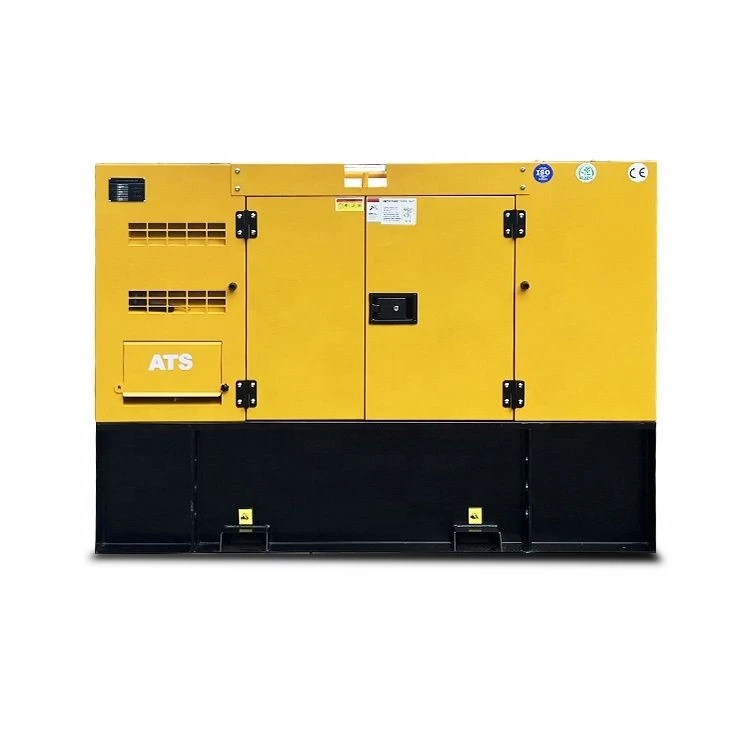

For air - cooled systems, you should regularly clean the fins and the fan to ensure good airflow. You can use a soft brush or compressed air to remove dirt and debris.
In water - cooled systems, you need to check the coolant level regularly and top it up if necessary. You should also flush and replace the coolant according to the manufacturer's recommendations. This helps to prevent corrosion and keep the cooling system working efficiently.
Inspecting the radiator, water pump, and hoses for leaks and damage is also important. A small leak can quickly turn into a big problem if left untreated.
Why Our Quiet Diesel Generators Shine
At our company, we take pride in offering high - quality Quiet Diesel Generator with top - notch cooling systems. Our generators are designed to be reliable, efficient, and quiet.
We use the latest technology in our cooling systems to ensure optimal performance. Whether you need a small 50kw Silent Diesel Generator for a home backup or a larger 200kw generator for a commercial application, we've got you covered.
Our generators are built to last, and we provide excellent customer support to help you with any maintenance or troubleshooting needs.
Let's Talk Business
If you're in the market for a quiet diesel generator, I'd love to have a chat with you. Whether you have questions about the cooling system, the power output, or the price, I'm here to help. We can discuss your specific needs and find the perfect generator for you.
Don't hesitate to reach out. I'm looking forward to working with you and providing you with a generator that will serve you well for years to come.
References
- Diesel Generator Handbook by John B. Heywood
- Principles of Internal Combustion Engines by Richard Stone