

Hey there! As a supplier of high voltage diesel generator sets, I've been getting a lot of questions lately about what test items are involved in ensuring these generators are top - notch. So, I thought I'd break it down for you in this blog.
1. Visual Inspection
First things first, we start with a good old - fashioned visual inspection. It might sound simple, but it's super important. We check the overall appearance of the generator set. Are there any signs of damage, like dents or scratches on the casing? A small dent might not seem like a big deal, but it could potentially lead to issues with the internal components over time, especially if it's near a sensitive area.
We also look at the wiring. Loose or frayed wires are a huge no - no. They can cause electrical shorts, which are not only dangerous but can also damage the generator. And let's not forget about the fuel and coolant lines. Any signs of leaks here can lead to performance problems, and in the case of fuel leaks, it's a major safety hazard.
2. Electrical System Tests
The electrical system is the heart of a high voltage diesel generator set. We start by testing the insulation resistance. This measures how well the electrical insulation in the generator is working. A low insulation resistance can indicate moisture or damage to the insulation, which can lead to electrical leakage and other problems.
We also test the voltage regulation. The generator should be able to maintain a stable output voltage, even when the load changes. If the voltage fluctuates too much, it can damage the equipment that the generator is powering. For example, in a Shopping Mall Standby Diesel Generator, unstable voltage can cause issues with the lighting and electronic systems.
Another crucial test is the frequency stability test. The frequency of the electrical output should be within a certain range (usually around 50 or 60 Hz, depending on the region). If the frequency is off, it can cause problems for motors and other electrical devices that are designed to operate at a specific frequency.
3. Engine Performance Tests
The diesel engine is what powers the generator, so it's essential that it performs well. We start by checking the engine oil level and quality. Dirty or low - level oil can cause excessive wear and tear on the engine components. We also test the coolant level and temperature. Overheating can lead to engine damage, so it's important to make sure the cooling system is working properly.
The compression test is another key test for the engine. It measures the pressure inside the engine cylinders. Low compression can indicate problems like worn piston rings or valve issues, which can affect the engine's power and efficiency.
We also perform a load test on the engine. This involves running the generator under a simulated load to see how well the engine can handle it. If the engine struggles under load, it might need some adjustments or repairs. For a Tower Crane Diesel Generator, the engine needs to be able to handle heavy loads consistently.
4. Fuel System Tests
The fuel system is responsible for delivering the fuel to the engine. We start by checking the fuel filter. A clogged fuel filter can restrict the flow of fuel to the engine, causing it to run poorly or even stall. We replace the fuel filter if necessary.
We also test the fuel injection system. The fuel injectors need to spray the fuel into the engine cylinders at the right time and in the right amount. Any issues with the fuel injection can lead to poor engine performance, increased fuel consumption, and higher emissions.
The fuel tank is also inspected for leaks and contamination. Water or dirt in the fuel tank can cause serious problems for the engine. We make sure the fuel tank is clean and the fuel level is appropriate.
5. Cooling System Tests
The cooling system is vital for keeping the engine at the right temperature. We check the radiator to make sure it's not blocked by dirt or debris. A blocked radiator can't dissipate heat effectively, leading to overheating.
The coolant level and concentration are also checked. The coolant should be at the correct level and have the right mixture of water and antifreeze. This ensures that the coolant can effectively absorb and transfer heat away from the engine.
We also test the water pump, which circulates the coolant through the engine and the radiator. A faulty water pump can cause coolant flow problems, leading to overheating.
6. Exhaust System Tests
The exhaust system is responsible for removing the exhaust gases from the engine. We check the exhaust pipes for leaks. A leak in the exhaust system can allow toxic gases to enter the environment, which is not only bad for the environment but also a safety hazard for anyone in the vicinity.

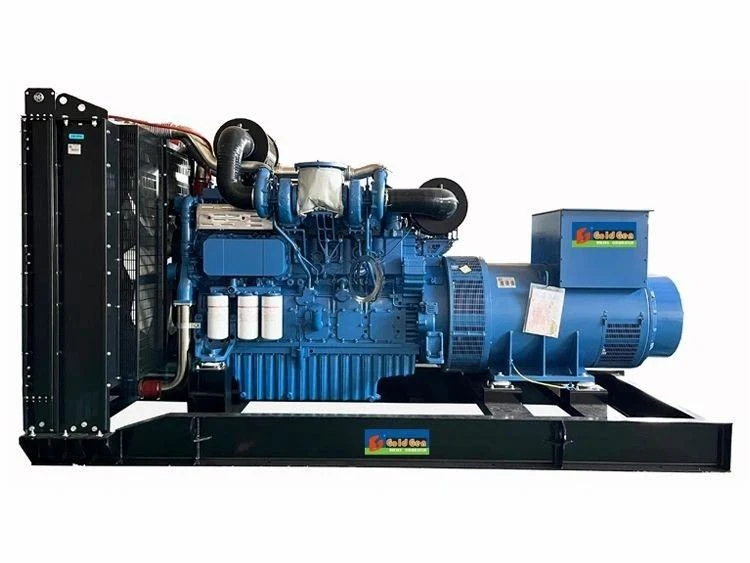
We also inspect the muffler. The muffler is designed to reduce the noise produced by the engine. A damaged muffler can cause excessive noise, which can be a nuisance, especially in a commercial setting like an Office Building Standby Diesel Generator.
7. Control System Tests
The control system of the generator set is what allows it to start, stop, and operate automatically. We test all the controls, including the start/stop buttons, the voltage regulators, and the alarms. All the controls should work smoothly, and the alarms should activate when there's a problem.
We also check the automatic transfer switch (ATS). The ATS is what switches the power supply from the utility grid to the generator when there's a power outage. It's essential that the ATS works correctly to ensure a seamless transition of power.
8. Sound and Vibration Tests
Excessive sound and vibration can indicate problems with the generator set. We measure the sound level of the generator during operation. If the sound level is too high, it might be due to issues like loose components or a misaligned engine.
We also check for excessive vibration. Vibration can cause damage to the generator's components over time. By measuring the vibration levels, we can identify any potential problems early and take corrective action.
Why These Tests Matter
All these test items are crucial for ensuring the reliability, safety, and performance of high voltage diesel generator sets. Whether it's a generator for a shopping mall, a tower crane, or an office building, you want to make sure that it can operate smoothly when you need it the most.
If you're in the market for a high voltage diesel generator set, or if you have an existing one that needs testing and maintenance, don't hesitate to reach out. We can provide you with high - quality generator sets that have passed all these rigorous tests. And if you already have a generator, we can also offer professional testing and maintenance services to keep it in top shape.
Contact us today to start discussing your procurement needs. Let's work together to find the perfect generator solution for you!
References:
- Diesel Generator Handbook
- Electrical Power Generation and Distribution Manual