

Paralleling Control Strategies for 11kV Diesel Generators
As a supplier of 11kV diesel generators, I have witnessed the growing demand for reliable and efficient power solutions in various industries. The paralleling of diesel generators is a crucial aspect of power systems, especially in applications where a large amount of power is required or for backup power purposes. In this blog, I will discuss the paralleling control strategies for 11kV diesel generators, which are essential for ensuring stable and efficient operation.
Understanding the Basics of Generator Paralleling
Generator paralleling is the process of connecting two or more generators together to operate in parallel, sharing the electrical load. This allows for increased power capacity, improved reliability, and better load management. When generators are paralleled, they must operate at the same voltage, frequency, and phase angle to ensure a stable and efficient power supply.
For 11kV diesel generators, the paralleling process is more complex due to the higher voltage level. The control systems must be carefully designed and configured to ensure proper synchronization and load sharing. There are several key factors to consider when paralleling 11kV diesel generators, including voltage regulation, frequency control, and load sharing.
Voltage Regulation
Voltage regulation is a critical aspect of generator paralleling. The voltage of each generator must be closely matched to ensure that the load is evenly distributed among the generators. If the voltage of one generator is significantly different from the others, it can lead to uneven load sharing and potential damage to the generators.
Modern 11kV diesel generators are equipped with automatic voltage regulators (AVRs) that continuously monitor and adjust the generator's output voltage. The AVRs use feedback control systems to maintain a constant voltage level, regardless of the load or operating conditions. When paralleling generators, the AVRs must be coordinated to ensure that the voltage of all generators is within a narrow tolerance range.
Frequency Control
Frequency control is another important factor in generator paralleling. The frequency of the generators must be closely matched to ensure that they operate in synchronism. If the frequency of one generator is different from the others, it can cause the generators to fall out of sync, leading to unstable operation and potential damage to the generators.
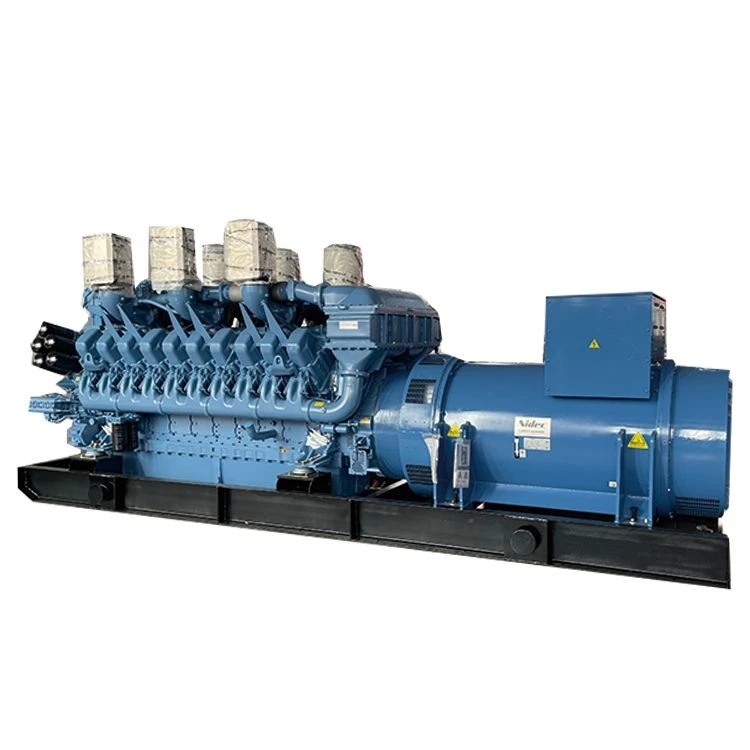
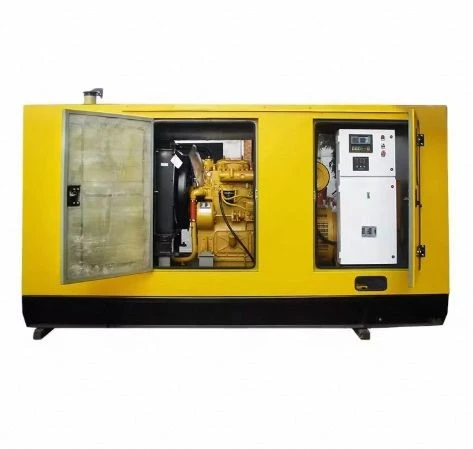
Most 11kV diesel generators are equipped with governor systems that control the engine speed and, therefore, the generator's frequency. The governor systems use feedback control to maintain a constant frequency, regardless of the load or operating conditions. When paralleling generators, the governor systems must be coordinated to ensure that the frequency of all generators is within a narrow tolerance range.
Load Sharing
Load sharing is the process of distributing the electrical load evenly among the paralleled generators. This is important to ensure that each generator operates within its rated capacity and to prevent overloading of any single generator. There are several methods of load sharing, including droop control and isochronous control.
Droop control is a simple and widely used method of load sharing. In droop control, the governor of each generator is set to a slightly different speed droop characteristic. As the load increases, the speed of each generator decreases slightly, causing the generator to take on a larger share of the load. This method allows for automatic load sharing without the need for complex control systems.
Isochronous control is a more advanced method of load sharing that uses a central control system to monitor and adjust the output of each generator. The central control system ensures that each generator operates at the same frequency and shares the load evenly. Isochronous control is typically used in applications where precise load sharing is required, such as in critical power systems.
Paralleling Control Strategies
There are several paralleling control strategies that can be used for 11kV diesel generators, depending on the specific application and requirements. Some of the common paralleling control strategies include:
- Manual Paralleling: In manual paralleling, the operator manually synchronizes the generators by adjusting the voltage, frequency, and phase angle of each generator. This method is suitable for small-scale applications where the load is relatively stable and the number of generators is limited.
- Semi-Automatic Paralleling: In semi-automatic paralleling, the operator initiates the paralleling process, and the control system automatically synchronizes the generators. This method is suitable for medium-scale applications where the load is more variable and the number of generators is larger.
- Fully Automatic Paralleling: In fully automatic paralleling, the control system automatically monitors the load and initiates the paralleling process as needed. This method is suitable for large-scale applications where the load is highly variable and the number of generators is large.
Benefits of Paralleling 11kV Diesel Generators
Paralleling 11kV diesel generators offers several benefits, including:
- Increased Power Capacity: By paralleling multiple generators, the total power capacity can be increased to meet the demand of large-scale applications.
- Improved Reliability: Paralleling generators provides redundancy, which means that if one generator fails, the other generators can continue to supply power. This improves the reliability of the power supply and reduces the risk of downtime.
- Better Load Management: Paralleling generators allows for better load management, as the load can be evenly distributed among the generators. This helps to prevent overloading of any single generator and ensures that each generator operates within its rated capacity.
- Cost Savings: Paralleling generators can help to reduce the cost of power generation, as the generators can be operated at their most efficient load points. This can result in significant cost savings over the long term.
Conclusion
Paralleling control strategies for 11kV diesel generators are essential for ensuring stable and efficient operation. By carefully considering the factors of voltage regulation, frequency control, and load sharing, and choosing the appropriate paralleling control strategy, it is possible to achieve reliable and cost-effective power generation. As a supplier of 11kv Diesel Generator, we are committed to providing high-quality generators and comprehensive support to our customers. Whether you are in the mining industry and need a Mining Diesel Generator or require a 6.6kv Diesel Genset for other applications, we can offer the right solutions to meet your needs.
If you are interested in learning more about our 11kV diesel generators or discussing your specific power requirements, please feel free to contact us. Our team of experts is ready to assist you in finding the best solution for your power needs.
References
- Blackburn, J. L., & Domin, D. M. (2006). Protective Relaying: Principles and Applications. CRC Press.
- Chapman, S. J. (2012). Electric Machinery Fundamentals. McGraw-Hill.
- Grainger, J. J., & Stevenson, W. D. (1994). Power System Analysis. McGraw-Hill.