

When it comes to high voltage diesel generators, the installation process is not a simple task. As a high voltage diesel generator supplier, we understand the importance of getting the installation right. In this blog, we will detail the installation requirements for high voltage diesel generators to ensure a smooth and safe setup.
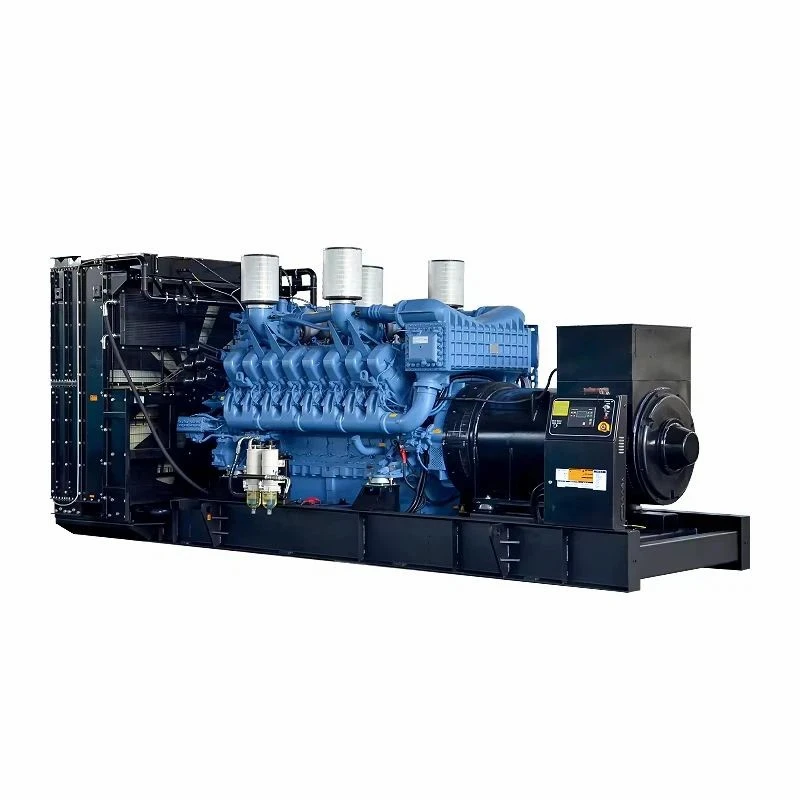
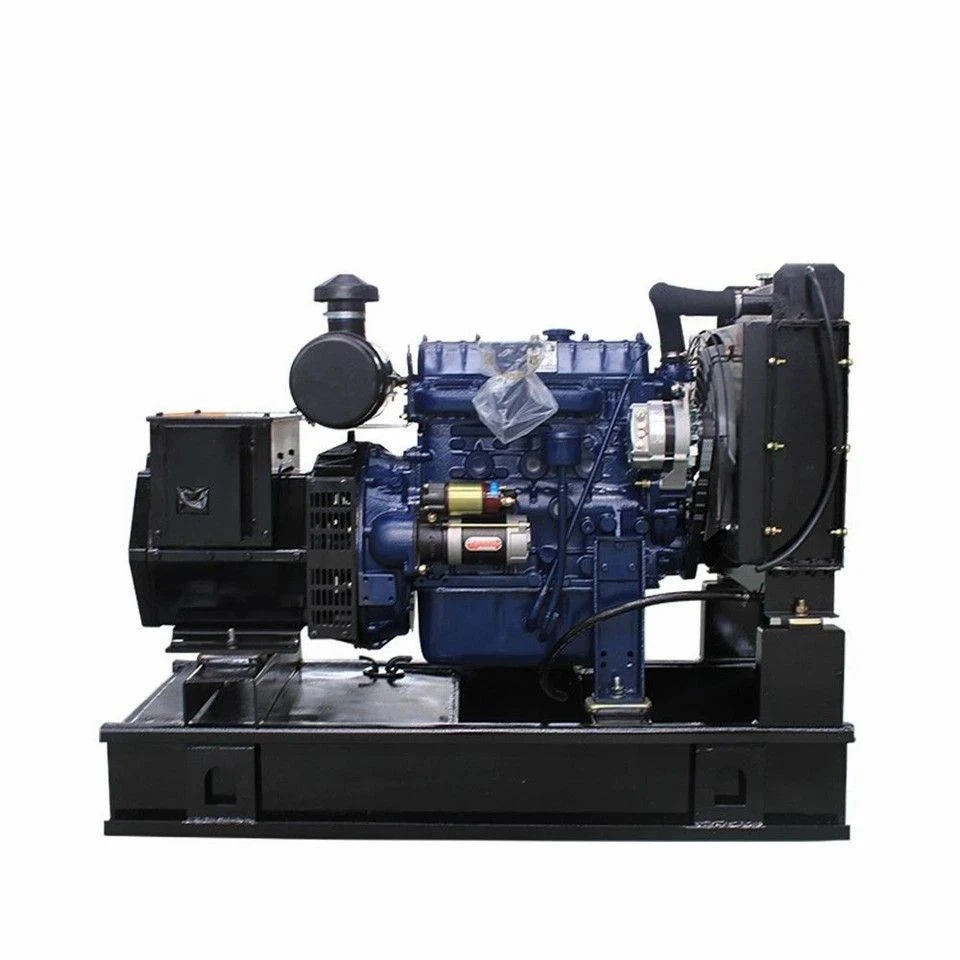
1. Site Selection
The first step in installing a high voltage diesel generator is selecting an appropriate site. This location should meet several criteria to ensure optimal performance and safety.
- Ventilation: Adequate ventilation is crucial for the efficient operation of the generator. Diesel generators produce a significant amount of heat during operation, and if not properly ventilated, this heat can cause the generator to overheat. This could lead to damage to the internal components and a reduction in the generator's lifespan. Moreover, diesel generators emit exhaust gases that contain harmful substances such as carbon monoxide. A well - ventilated area helps to disperse these gases quickly, reducing the risk of toxic gas accumulation. The site should have natural or forced ventilation systems designed to handle the generator's heat output and exhaust emissions.
- Accessibility: The site must be easily accessible for maintenance, repairs, and refueling. Regular maintenance is essential for keeping the generator in good working condition. This includes tasks like oil changes, filter replacements, and inspection of electrical components. An accessible location allows maintenance personnel to reach all parts of the generator without difficulty. Additionally, easy access is required for refueling the generator, especially in standby situations where the generator may need to be quickly refueled to continue operation.
- Foundation: A stable foundation is necessary to support the weight of the high voltage diesel generator. The foundation should be level and capable of withstanding the dynamic forces generated during the generator's operation. Concrete foundations are commonly used for high voltage generators. They provide a solid base that minimizes vibration and ensures the generator remains in place during operation. The foundation should be designed in accordance with the manufacturer's specifications, taking into account the size and weight of the generator.
2. Electrical Requirements
High voltage diesel generators are complex electrical systems, and the electrical installation requirements are strict.
- Wiring and Cabling: High - quality wiring and cabling are essential for transmitting the electricity generated by the diesel generator. The wiring should be rated for the generator's voltage and current capacity. It is also important to ensure that the wiring is properly insulated to prevent electrical short - circuits and other hazards. The cabling should be installed in a way that protects it from physical damage and environmental factors such as moisture and temperature fluctuations.
- Switchgear: Switchgear is used to control, protect, and isolate the generator from the electrical system. It allows for safe connection and disconnection of the generator to the load. The switchgear should be rated for the high voltage and current of the generator. It should also have appropriate protection features such as over - current protection, over - voltage protection, and under - voltage protection. This helps to prevent damage to the generator and the connected electrical equipment in the event of electrical faults.
- Grounding: Proper grounding is critical for the safety of the high voltage diesel generator and the people operating it. Grounding provides a path for electrical current to flow safely into the earth in the event of a fault. This helps to prevent electrical shocks and reduces the risk of equipment damage. The grounding system should be installed in accordance with electrical codes and standards, and it should be regularly inspected to ensure its integrity.
3. Fuel System Requirements
The fuel system is an important part of a high voltage diesel generator, as it provides the energy needed for the generator to operate.
- Fuel Storage: Adequate fuel storage is required to ensure that the generator has a continuous supply of fuel during operation. The fuel storage tank should be located in a safe area, away from sources of ignition. It should also be designed to prevent spills and leaks. Regular inspection of the fuel storage tank is necessary to check for corrosion, leaks, and other issues that could affect fuel storage and supply.
- Fuel Supply Lines: The fuel supply lines should be properly installed and maintained to ensure a smooth flow of fuel from the storage tank to the generator. The lines should be made of materials that are resistant to fuel corrosion and should be installed in a way that minimizes the risk of blockages. Filtering systems should also be installed in the fuel supply lines to prevent contaminants from entering the generator's engine.
- Fuel Quality: The quality of the fuel used in the high voltage diesel generator is crucial for its performance and longevity. Diesel fuel should meet the manufacturer's specifications in terms of cetane number, sulfur content, and other properties. Using low - quality fuel can lead to engine problems such as reduced power output, increased fuel consumption, and premature wear of engine components.
4. Exhaust System Requirements
The exhaust system of a high voltage diesel generator is responsible for removing the harmful gases produced during combustion.
- Exhaust Pipe Installation: The exhaust pipe should be properly installed to ensure the efficient removal of exhaust gases. It should be of an appropriate size and length to minimize back - pressure on the generator's engine. Back - pressure can reduce the engine's power output and efficiency. The exhaust pipe should also be installed in a way that directs the exhaust gases away from people and sensitive equipment.
- Silencer: A silencer or muffler is often installed in the exhaust system to reduce the noise generated by the generator during operation. The silencer should be designed to work effectively with the generator's exhaust flow and pressure. A well - designed silencer can significantly reduce the noise level of the generator, making it more suitable for use in residential or commercial areas.
- Exhaust Gas Treatment: In some cases, exhaust gas treatment systems may be required to reduce the emissions of harmful substances such as nitrogen oxides (NOx) and particulate matter. These treatment systems can include catalytic converters and particulate filters. The use of exhaust gas treatment systems is becoming increasingly important as environmental regulations become more stringent.
5. Safety Requirements
Safety is of utmost importance when installing a high voltage diesel generator.
- Fire Protection: Fire protection measures should be in place to prevent and control fires. This includes installing fire extinguishers in the generator area and designing the site to minimize the risk of fire spread. The generator should be located away from flammable materials, and the fuel storage area should be equipped with appropriate fire - prevention devices.
- Safety Signage: Clearly visible safety signage should be installed around the generator installation area. These signs should indicate potential hazards, such as high voltage, hot surfaces, and exhaust emissions. Safety signage helps to alert people to the risks associated with the generator and encourages them to take appropriate safety precautions.
- Emergency Stop Button: An emergency stop button should be installed within easy reach of the generator. This button allows for quick shutdown of the generator in case of an emergency, such as a fire, electrical fault, or other dangerous situation.
As a high voltage diesel generator supplier, we offer a wide range of products suitable for different applications. For instance, our Shopping Mall Standby Diesel Generator provides reliable backup power for shopping centers, ensuring continuous operation of essential services. Our Data Center Emergency Backup Diesel Generator is designed to meet the high - power and high - reliability requirements of data centers. And our Commercial Building Standby Diesel Generator offers stable power supply for commercial buildings.
If you are interested in our high voltage diesel generators or have any questions about installation requirements, please feel free to contact us for purchase and negotiation. We are committed to providing you with high - quality products and professional installation guidance.
References
- Electrical Installation Standards Handbook
- Diesel Generator Manufacturer's Manuals
- National Fire Protection Association (NFPA) Codes
- Environmental Protection Agency (EPA) Regulations on Diesel Emissions