

Troubleshooting a portable power generator with low power output can be a daunting task, but with the right approach and knowledge, you can quickly identify and resolve the issue. As a supplier of portable power generators, I've encountered various scenarios where generators fail to produce the expected power. In this blog post, I'll share some practical steps to troubleshoot a portable generator with low power output.
1. Check the Fuel System
The fuel system is one of the most common culprits when it comes to low power output. A generator needs a consistent and proper supply of fuel to operate at its full capacity.
- Fuel Level: First and foremost, check the fuel level in the tank. A low fuel level can lead to inconsistent power output. If the tank is nearly empty, refill it with the appropriate fuel type. Different generators require different fuels, such as gasoline, diesel, or propane. Make sure you are using the correct fuel for your generator.
- Fuel Quality: Poor - quality fuel can also cause problems. Old fuel may have degraded, leading to clogged fuel lines or carburetors. If you suspect the fuel is old, drain the tank and refill it with fresh fuel. For diesel generators like our 50kw Diesel Generator, using clean, high - quality diesel is essential for optimal performance.
- Fuel Filter: The fuel filter is designed to remove impurities from the fuel before it reaches the engine. A clogged fuel filter can restrict the fuel flow, resulting in low power output. Check the fuel filter and replace it if it is dirty or clogged.
2. Examine the Air Intake
A proper air - fuel mixture is crucial for the engine to generate power efficiently. A restricted air intake can disrupt this mixture and lead to reduced power.
- Air Filter: The air filter prevents dirt and debris from entering the engine. Over time, the air filter can become clogged with dirt, reducing the amount of air that can reach the engine. Inspect the air filter and clean or replace it as necessary. A clean air filter ensures that the engine gets enough air for combustion, which in turn boosts power output.
3. Inspect the Spark Plug (for Gasoline Generators)
In gasoline - powered generators, the spark plug plays a vital role in igniting the air - fuel mixture in the engine's combustion chamber.
- Spark Plug Condition: Check the spark plug for signs of wear, fouling, or damage. A worn or fouled spark plug may not produce a strong enough spark to ignite the mixture properly, leading to lower power output. Remove the spark plug and examine it. If the electrodes are worn or covered with carbon deposits, clean or replace the spark plug according to the manufacturer's specifications.
4. Evaluate the Oil Level and Quality
The engine oil in a generator serves multiple purposes, including lubrication, cooling, and preventing corrosion.
- Oil Level: Check the oil level using the dipstick. Low oil levels can cause the engine to overheat and reduce power output. If the oil level is low, add the recommended type and amount of oil.
- Oil Quality: Old or contaminated oil can also affect engine performance. If the oil is dirty or has a milky appearance (which may indicate water contamination), drain the old oil and replace it with fresh oil as per the generator's manual.
5. Check the Voltage Regulator
The voltage regulator is responsible for maintaining a stable output voltage from the generator. A faulty voltage regulator can cause the output voltage to drop, resulting in low power delivery.

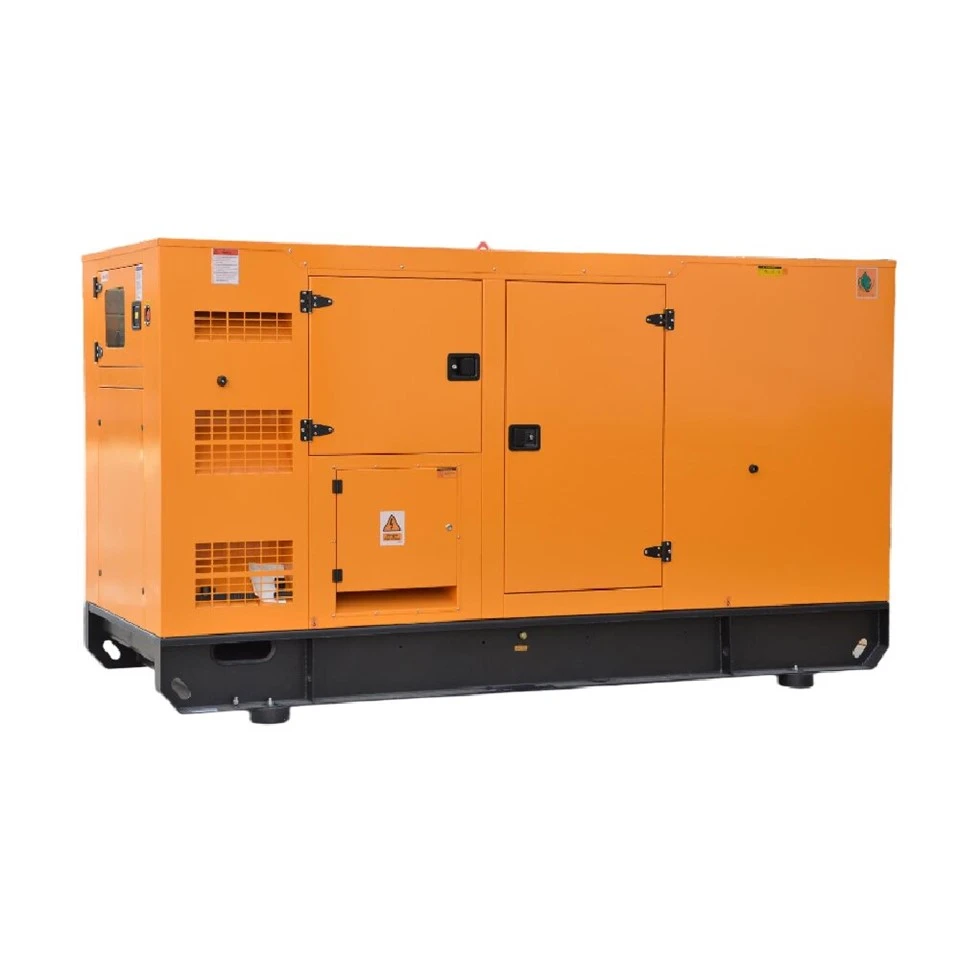
- Testing: Use a multimeter to measure the output voltage of the generator. Compare the reading with the generator's rated voltage. If the voltage is significantly lower than the rated value, the voltage regulator may be malfunctioning. Consult the generator's manual for instructions on testing and replacing the voltage regulator.
6. Look for Overloading
Overloading a generator is a common cause of low power output. If you are trying to power too many devices or high - wattage appliances simultaneously, the generator may not be able to handle the load.
- Load Calculation: Calculate the total wattage of all the devices you are trying to power and compare it with the generator's rated capacity. Our 550kw Cummins Electric Generator has a high - capacity output, but even it can be overloaded if used improperly. To avoid overloading, reduce the number of devices or switch to a higher - capacity generator.
7. Inspect the Wiring and Connections
Faulty wiring or loose connections can cause power loss between the generator and the devices you are powering.
- Visual Inspection: Check all the wiring for signs of damage, such as frayed wires or cuts. Also, ensure that all the connections are tight and secure. Loose or corroded connections can increase resistance and reduce the efficiency of power transmission.
- Terminal Cleaning: If you find any corrosion on the terminals, clean them using a wire brush or a suitable cleaning agent. This will improve the electrical conductivity and prevent power loss.
8. Consider the Generator's Age and Usage
Older generators may experience wear and tear over time, leading to reduced power output. Additionally, if a generator has been used extensively without proper maintenance, its performance can decline.
- Maintenance History: Review the generator's maintenance history. Regular maintenance, such as oil changes, filter replacements, and tune - ups, can help keep the generator in good working condition. If the generator has not been properly maintained, it may be necessary to perform a more comprehensive service.
- Component Wear: Some components, such as the alternator or engine parts, may wear out and need to be replaced. If you suspect that a particular component is causing the low power output, consult a professional technician for a detailed diagnosis.
Conclusion
Troubleshooting a portable power generator with low power output requires a systematic approach. By checking the fuel system, air intake, spark plug (for gasoline generators), oil level and quality, voltage regulator, load, wiring and connections, and considering the generator's age and usage, you can often identify and resolve the issue.
If you are still experiencing problems with your generator after trying these troubleshooting steps, or if you are looking for a reliable portable power generator for your needs, we are here to help. Our range of generators, including the 12.5kVA Generator, 100 Kilowatt Generator, and 10KVA Small Generators, offers high - quality and efficient power solutions. Contact us to discuss your requirements and start a procurement process today. Ensure you have the right power source for any situation.
References
- "Portable Generator Maintenance Guide" by Generator Manufacturer's Association
- "Electrical Systems in Portable Generators" - Electrical Engineering Journal
- "Common Generator Problems and Solutions" - Industry Research Report